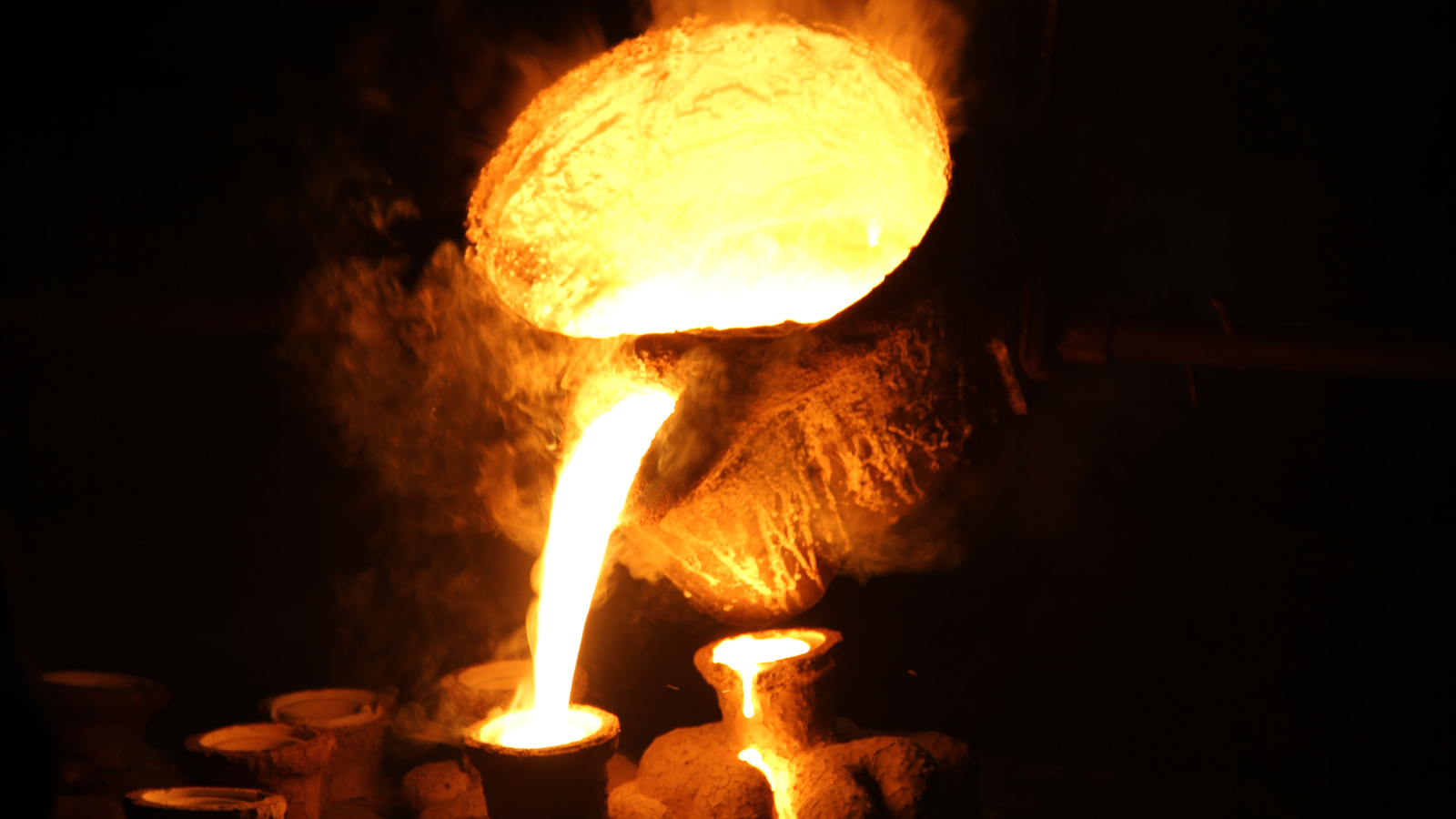
Casting is one of the oldest and most versatile manufacturing processes, dating back thousands of years. It involves pouring molten material into a mold where it cools and solidifies into the desired shape. What makes casting so adaptable is not just the variety of shapes it can produce, but also the broad range of materials it can work with. Each casting material has its own unique combination of strength, weight, corrosion resistance, and cost-effectiveness, making it suitable for different industries and performance requirements.
Choosing the right material for a casting project is a critical decision. It affects not only the strength and durability of the final product but also the ease of manufacturing, long-term performance, and overall production cost. Below, we take a closer look at some of the most common casting materials, their defining properties, and the types of applications where they excel.
Aluminum Casting
Aluminum is one of the most widely used casting materials in modern manufacturing, especially in industries where weight reduction and high strength are essential. Its low density makes it significantly lighter than steel or iron, which is a huge advantage in transportation and aerospace applications where reducing weight can improve fuel efficiency and performance. Aluminum also boasts excellent corrosion resistance, making it ideal for marine environments and outdoor applications.
It offers good machinability, meaning that after the casting process, components can be further shaped or finished with relative ease. Aluminum also has high thermal and electrical conductivity, which is useful in applications such as heat exchangers and electronic enclosures. From automotive engine components and aerospace structural parts to consumer electronics casings and marine equipment, aluminum casting provides a perfect balance between strength, weight, and corrosion resistance.
Cast Iron
Cast iron is one of the oldest known casting materials, prized for its strength, wear resistance, and excellent vibration damping properties. Its high compressive strength makes it perfect for heavy-duty applications that need to bear large loads without deforming. Cast iron also excels in situations where vibration needs to be minimized — for example, in machine tool frames or heavy equipment bases — because its dense structure absorbs and dissipates vibrations effectively.
While it is more brittle compared to steel, cast iron’s machinability is exceptional, making it easy to shape into intricate designs after casting. Common applications include engine blocks, cylinder heads, pipes, fittings, and structural components for the construction industry. For decades, cast iron has been the backbone of manufacturing infrastructure, especially in sectors where durability and stability outweigh the need for low weight.
Steel Casting
Steel is synonymous with strength and toughness. Unlike cast iron, steel offers high tensile and yield strength, meaning it can withstand stretching and pulling forces without breaking. Steel castings are chosen for their ability to perform under extreme conditions, whether that’s high pressure, heavy load, or severe wear. Alloying steel with other elements like chromium, nickel, or molybdenum can further enhance properties such as corrosion resistance and heat tolerance.
Because of its versatility, steel casting is used in mining equipment, pressure valves, pumps, and industrial machinery that must operate reliably under demanding conditions. Structural supports in construction and infrastructure projects also often rely on steel for its combination of durability and load-bearing capacity. It is the go-to choice when components must last for years under stress without compromising safety.
Copper and Copper Alloys (Bronze, Brass)
Copper-based casting materials are valued for more than just their attractive color. Pure copper and its alloys — such as bronze and brass — have excellent corrosion resistance, which is why they are frequently used in marine environments and outdoor applications. Copper also has high thermal and electrical conductivity, making it ideal for electrical connectors, heat exchangers, and conductive components in electronics.
Bronze, an alloy of copper and tin, offers superior wear resistance, making it suitable for bearings, bushings, and gears that operate under friction. Brass, an alloy of copper and zinc, combines corrosion resistance with a bright, decorative finish, often used in architectural hardware and fittings. In addition to their functional benefits, copper alloys are aesthetically appealing, making them popular in decorative and artistic castings.
Magnesium Casting
Magnesium holds the title of the lightest structural metal used in casting, making it a top choice for applications where reducing weight is a priority. In industries like automotive and aerospace, every kilogram saved can translate into improved performance and fuel efficiency. Magnesium also offers a high strength-to-weight ratio, good machinability, and impressive vibration damping properties.
However, magnesium is more prone to corrosion than aluminum, so it often requires protective coatings or alloying to improve durability. Typical applications include automotive parts such as gearbox housings, aerospace brackets, and casings for electronics where light weight and high performance are both important.
Zinc Casting
Zinc is often chosen for its cost-effectiveness, dimensional stability, and suitability for producing intricate, thin-walled parts. It can be cast with excellent precision, reducing the need for extensive post-processing. This makes zinc especially appealing for high-volume production of small, detailed components.
Zinc’s corrosion resistance ensures long service life, even in exposed environments, while its mechanical strength remains high at room temperature. Common uses include automotive hardware, consumer goods, electrical fittings, and small mechanical components where precision and durability are equally important.
Nickel-Based Alloys
When extreme heat, corrosion, or wear resistance is required, nickel alloys are the material of choice. These alloys retain their strength at elevated temperatures, making them essential for aerospace turbine blades, power generation equipment, and components in chemical processing plants. They are also highly resistant to oxidation and corrosion in harsh environments, including marine and offshore operations.
While nickel alloys can be more expensive than other casting materials, their performance in high-stress, high-temperature, or corrosive conditions justifies the investment. For critical components where failure is not an option, nickel alloys deliver unmatched reliability.
Conclusion
The diversity of casting materials available today allows manufacturers to tailor each component to its intended function. Factors such as weight, strength, corrosion resistance, thermal conductivity, and cost must be weighed carefully when selecting a material. Aluminum might be the perfect solution for lightweight automotive parts, while cast iron offers unmatched stability in heavy machinery. Copper alloys bring both beauty and function to marine fittings, and nickel alloys safeguard high-performance equipment in the harshest environments.
By understanding the unique properties and applications of each casting material, engineers and manufacturers can make informed decisions that ensure optimal performance, longevity, and cost efficiency.