Metal casting is one of the oldest manufacturing methods in history, and it remains a core process in modern industry. Among the many casting techniques available, sand casting and investment casting are two of the most widely used. While both processes are designed to create high-quality metal components, they differ greatly in terms of technique, precision, cost, and the types of parts they can produce. Understanding these differences is essential for making the right manufacturing decision.
What Is Sand Casting?
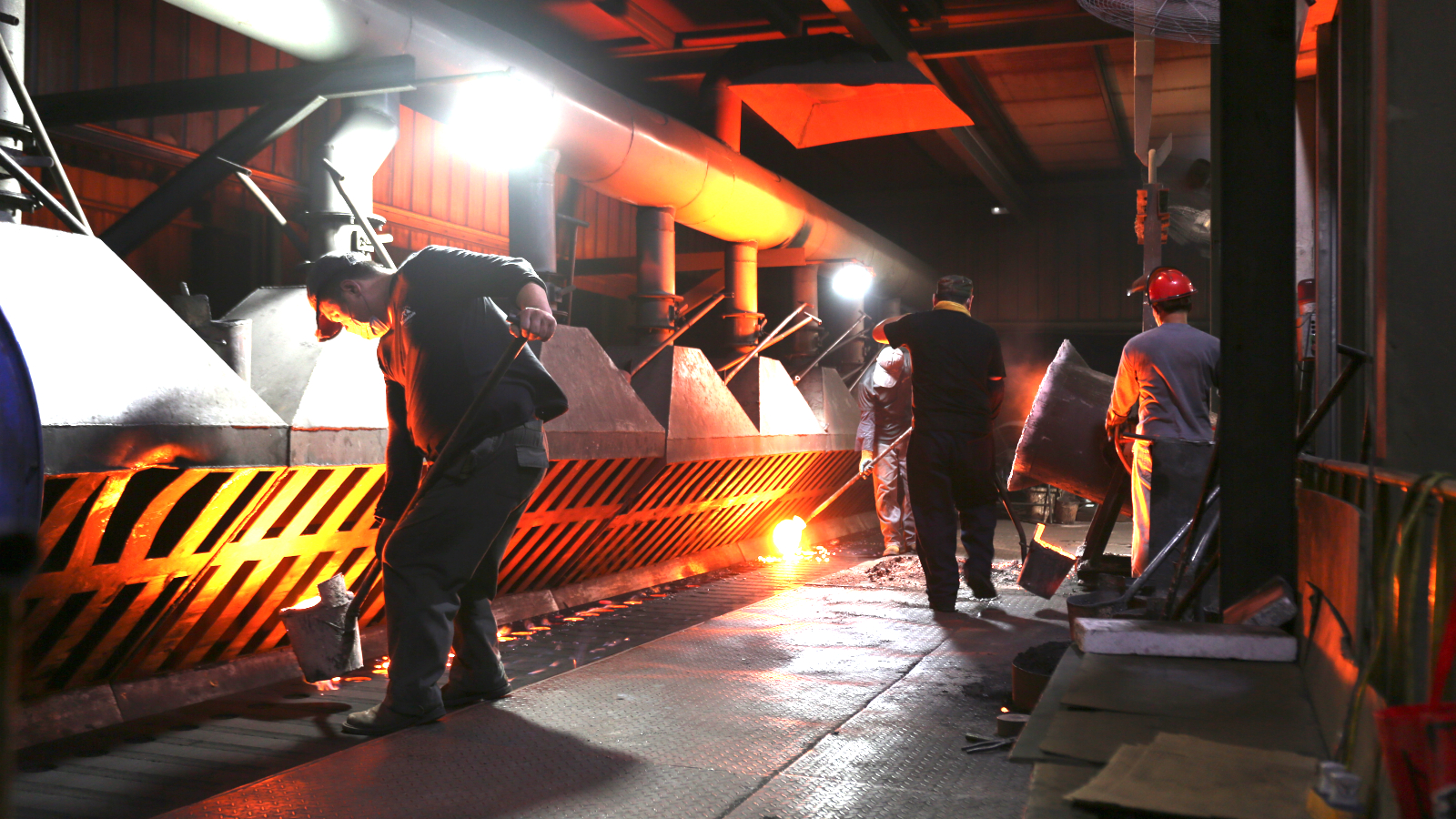
Sand casting uses sand as the main mold material. The process begins with a pattern shaped like the final product. This pattern is placed inside a mold box and surrounded with specially prepared sand that is packed tightly to hold its shape. Once the pattern is removed, a cavity is left behind, ready to be filled with molten metal.
After the metal is poured and cooled, the sand mold is broken apart to reveal the casting. Because the mold is destroyed during the process, a new mold must be made for every part. Sand casting is especially popular for large components such as engine blocks, pump housings, and heavy equipment parts. It offers flexibility in material choice and relatively low tooling costs, making it a cost-effective option for low- to medium-volume production. However, it generally produces a rougher surface finish and looser tolerances compared to other casting methods.
What Is Investment Casting?
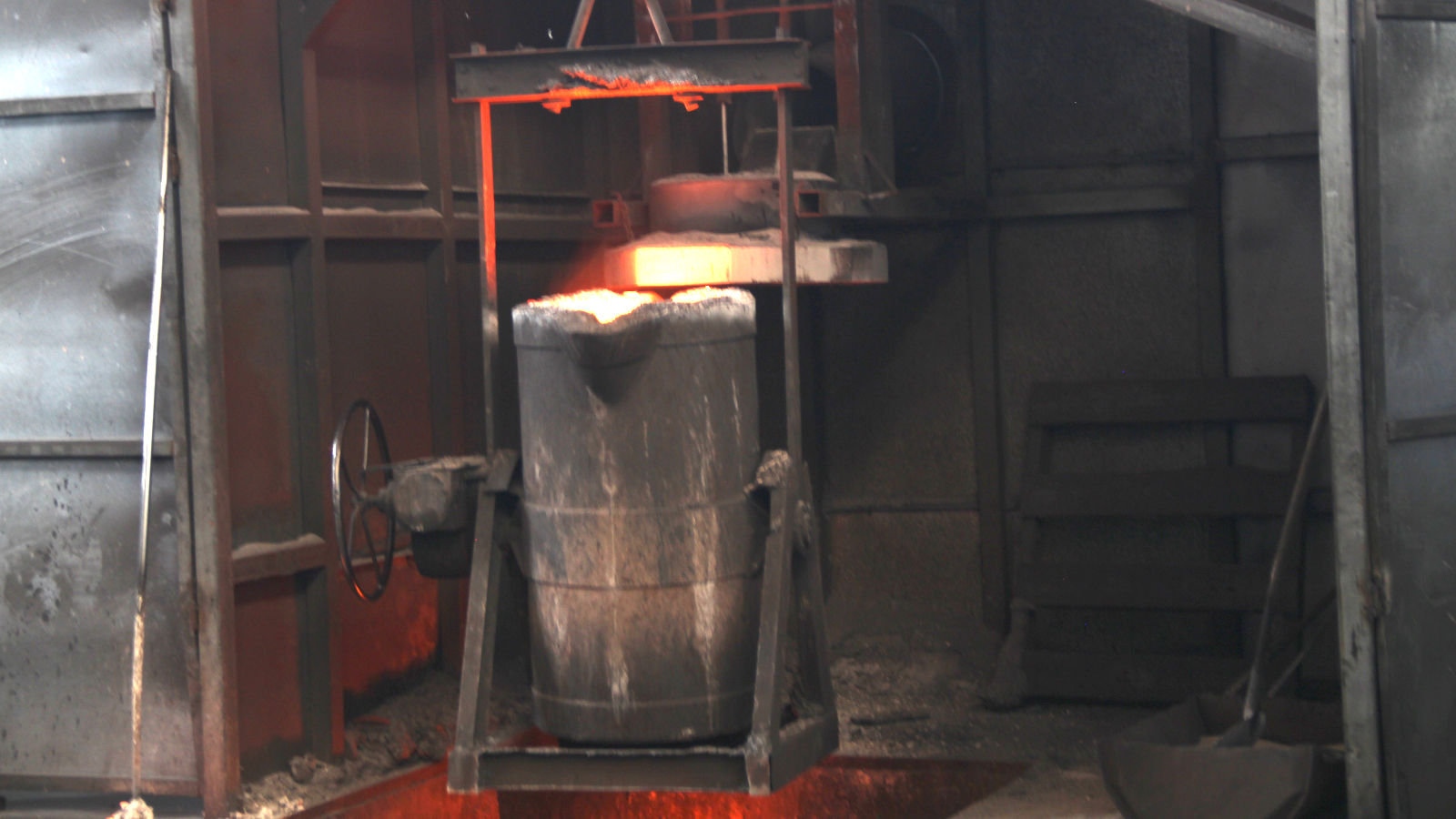
Investment casting, also called lost-wax casting, begins with a wax model of the desired part. This wax pattern is coated with multiple layers of ceramic material to form a hard shell. Once the shell has dried, the wax is melted and drained away, leaving a hollow mold. Molten metal is then poured into this mold, and once cooled, the ceramic shell is broken off to reveal the finished casting.
This method allows for exceptional detail and high dimensional accuracy. It is often used for intricate parts with complex shapes, thin walls, and fine surface finishes. Aerospace components, medical devices, and high-performance automotive parts are common examples of products made through investment casting. The process, however, is more expensive and time-consuming, and it is generally better suited for smaller parts rather than very large castings.
Differences Between Sand Casting and Investment Casting
The differences between these two processes come down to precision, surface finish, part size, and cost. Sand casting is ideal for larger, heavier parts with simpler designs, especially when cost is a priority. Investment casting is better suited for smaller, highly detailed components where accuracy and finish are critical.
Surface quality is another important distinction. Sand casting produces a rougher surface that often requires additional machining, while investment casting delivers a smooth finish that may require little to no further processing. Tolerances in investment casting are also much tighter, making it the preferred choice for applications where precision is non-negotiable.
Choosing the Right Method
Selecting between sand casting and investment casting depends on several factors, including the size and complexity of the part, the material used, the quantity required, and the desired surface quality. A construction equipment manufacturer might choose sand casting for a large gearbox housing to keep costs down, while an aerospace supplier might rely on investment casting for turbine blades that demand high accuracy and a flawless finish.
In general, sand casting offers affordability and flexibility for larger parts, whereas investment casting offers superior precision and surface quality for intricate designs.
Both sand casting and investment casting are essential manufacturing methods, each with its own strengths. There is no universal “better” choice—only the method that best fits your project’s needs. By carefully considering your requirements for size, complexity, precision, and cost, you can choose the process that ensures the best balance of performance and value.