Brass casting is a widely used manufacturing process for producing metal components with complex shapes, good corrosion resistance, and excellent machinability. From valves and pipe fittings to automotive components, electrical parts, and decorative hardware, brass castings are used across many industries.
By combining the properties of copper and zinc, brass offers a useful balance of strength, wear resistance, corrosion resistance, and machinability. Different brass compositions can be selected to achieve specific mechanical and functional requirements, making brass casting suitable for a wide range of applications.
What Is Brass Casting?
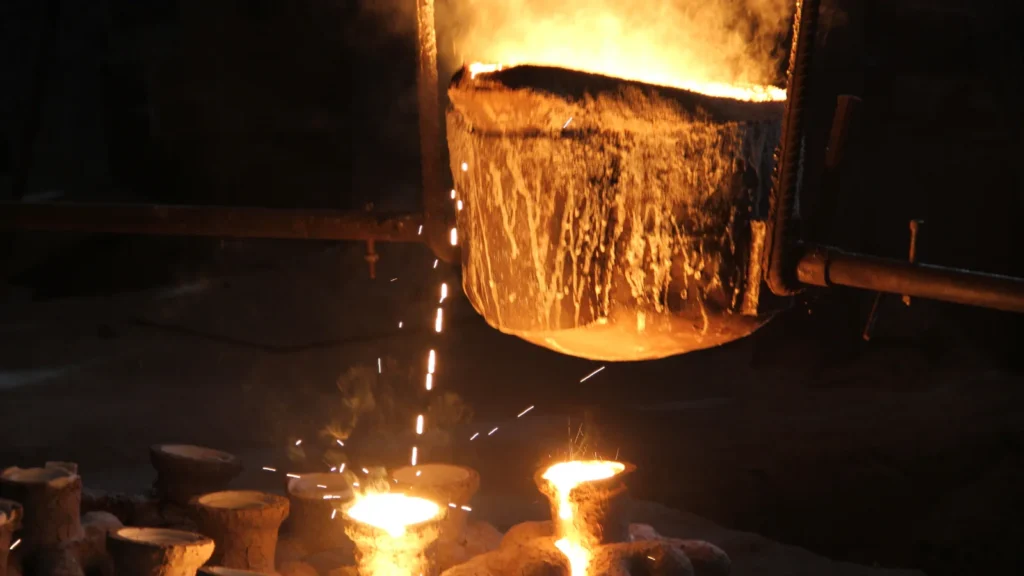
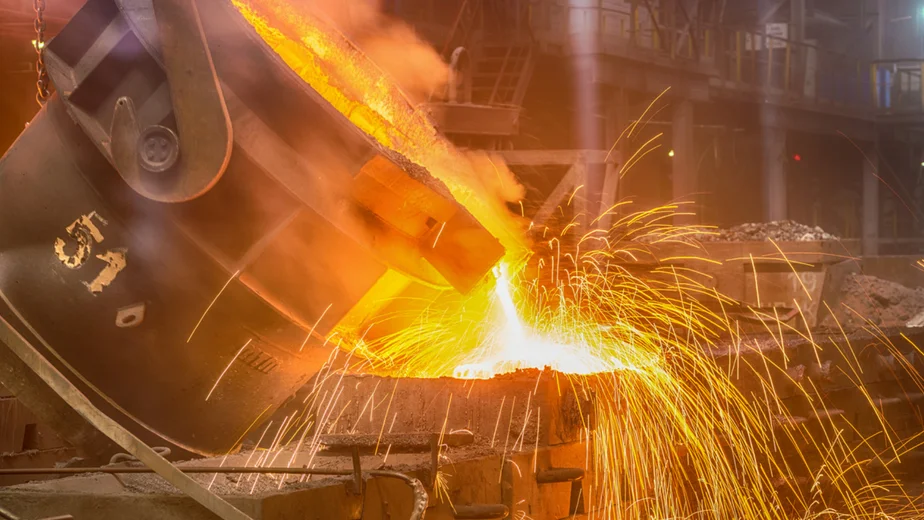
Brass casting is the process of producing brass components by melting a brass alloy and pouring the molten metal into a mold. Once the metal cools and solidifies, the casting is removed from the mold and undergoes subsequent processes such as trimming, cleaning, heat treatment, machining, and inspection.
The basic casting process is relatively straightforward, but producing consistent, high-quality brass castings requires careful control of alloy composition, melting temperature, mold design, pouring conditions, solidification, and dimensional tolerances.
Brass is primarily composed of copper and zinc, although other elements may be added to improve particular properties. Lead, tin, aluminum, iron, manganese, nickel, and silicon, for example, may be present in certain brass alloys depending on the intended application.
Why Is Brass Used for Casting?
Brass has several characteristics that make it attractive for cast components. It offers good corrosion resistance, particularly in applications involving water and atmospheric exposure. Many brass alloys also provide good machinability, allowing cast components to be efficiently finished to precise dimensions.
Another advantage is the relatively broad range of mechanical properties available through alloy selection. Some brass grades are designed for higher strength and wear resistance, while others are selected for their machinability, corrosion resistance, or casting performance.
Brass also has good thermal and electrical conductivity compared with many other engineering metals. Its attractive appearance and relatively good resistance to oxidation have additionally made brass popular for architectural, plumbing, and decorative components.
Common Brass Alloys for Casting
There is no single brass alloy suitable for every application. The copper-to-zinc ratio and additional alloying elements have a significant influence on casting performance and final component properties.
Alpha brasses generally contain higher copper content and can offer good ductility and corrosion resistance. Alpha-beta brasses, which contain a higher proportion of zinc, can provide greater strength and are commonly used for engineering components.
Leaded brass alloys may be selected when excellent machinability is required. Other alloying elements can be introduced to improve strength, corrosion resistance, wear resistance, or casting characteristics.
When selecting a brass alloy for a casting project, manufacturers should consider not only mechanical properties but also casting method, service environment, machining requirements, applicable standards, and regulatory requirements.
Brass Casting Process
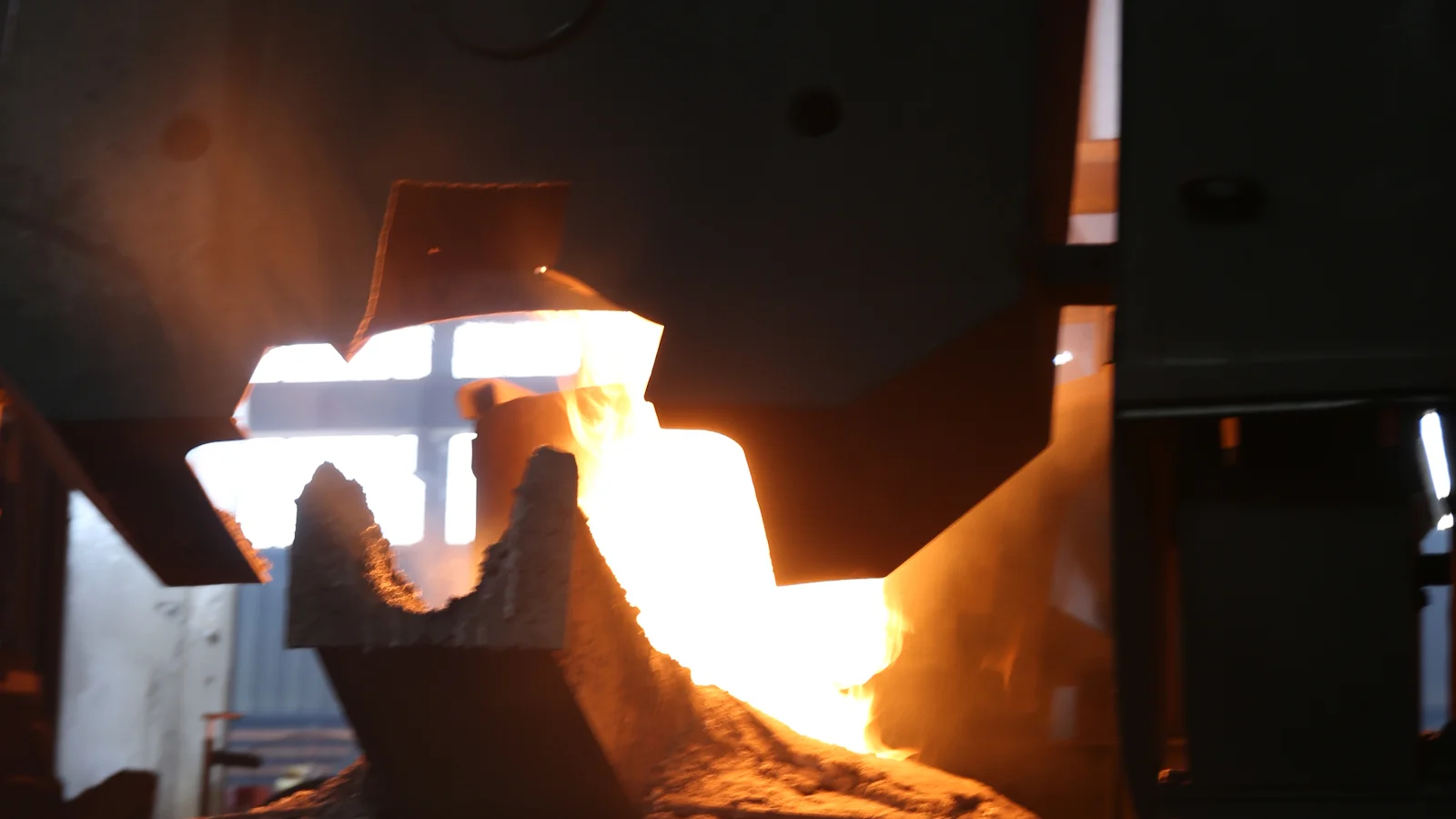
The brass casting process begins with material selection and mold preparation. The brass alloy is then melted in a suitable furnace and brought to the required temperature.
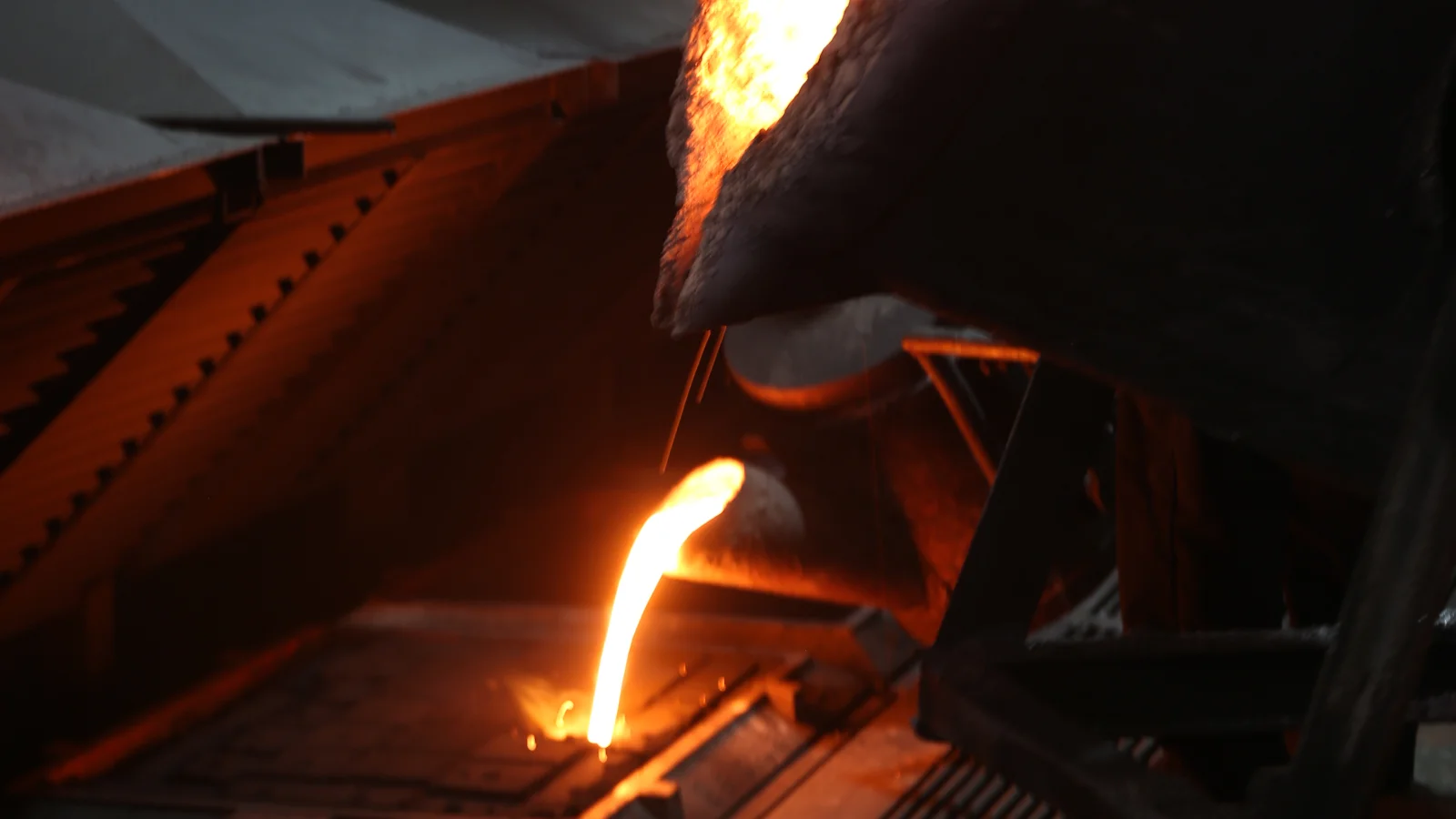
The molten metal is carefully transferred and poured or injected into the prepared mold. During solidification, the cooling rate and feeding conditions must be controlled to minimize defects such as shrinkage, porosity, and incomplete filling.
After solidification, the casting is removed from the mold. Excess material such as gates and risers is removed, and the casting is cleaned to eliminate sand, scale, or other residues.
Depending on the component, additional operations may include heat treatment, shot blasting, grinding, CNC machining, drilling, threading, polishing, or surface finishing. The finished component is then inspected against the required dimensional, mechanical, and visual specifications.
Common Brass Casting Defects
Like other casting processes, brass casting can produce defects if material, mold, melting, pouring, or solidification conditions are not properly controlled.
Porosity is one common concern and may result from gas entrapment or shrinkage during solidification. Shrinkage cavities can occur when the metal contracts as it cools and insufficient molten metal is available to compensate for the volume reduction.
Other potential defects include cold shuts, misruns, inclusions, cracks, dimensional deviations, and surface imperfections. Proper gating and riser design, mold preparation, temperature control, alloy selection, and inspection procedures can help reduce these problems.
For critical brass components, inspection may include dimensional measurement, visual inspection, chemical composition analysis, hardness testing, pressure testing, or other tests specified by the customer or applicable standard.
Brass Casting vs. Brass Forging
Brass casting and brass forging are different manufacturing processes and offer different advantages.
Casting produces components by filling a mold with molten metal, making it particularly useful for complex shapes and geometries that would be difficult to manufacture through forging.
Forging forms solid brass through controlled deformation using compressive forces. Forged components can offer favorable mechanical properties and are often selected for applications where strength and structural integrity are especially important.
The choice between casting and forging depends on the component design, required properties, production volume, material, dimensional requirements, and manufacturing cost.
Applications of Brass Castings
Brass castings are used in many industries because of their combination of corrosion resistance, machinability, strength, and appearance.
Plumbing and fluid-handling applications include valves, pipe fittings, connectors, adapters, and other components exposed to water or other fluids. Brass is also commonly used for electrical and electronic components because of its conductivity and machinability.
In industrial equipment, brass castings can be used for housings, bushings, gears, fittings, and specialized components. Automotive, marine, construction, HVAC, and architectural applications also use brass cast components where the material’s properties are appropriate.
Conclusion
Brass casting provides a practical way to manufacture complex metal components with a useful combination of corrosion resistance, strength, machinability, conductivity, and appearance. Different casting processes and brass alloys allow manufacturers to adapt production to a wide range of component designs and applications.
From sand casting and investment casting to die casting and centrifugal casting, the appropriate process depends on the component requirements and production conditions. When casting is combined with CNC machining and systematic inspection, brass castings can be produced to meet demanding OEM requirements.
For manufacturers and buyers, understanding the relationship between brass alloy selection, casting method, component design, machining, and quality control is essential for achieving reliable and cost-effective results.